
On the horrors of puzzles and puzzilng horrors
It’s my first time booting up Silent Hill f, and I smile fondly as one of my favorite quirks of the series is maintained for the newest entry. A separate difficulty setting for puzzles. Maybe it’s weird to want to come to a horror game wanting my brain tickled in the same way it would be playing Tetris or The Witness, but it’s honestly high on my priority list when looking at a horror game. It’s not required, I have plenty of horror games I love that don’t ask you to solve anything that could even be mistaken for a puzzle in a dark alleyway. But puzzles have been with horror gaming almost since its inception, and have stuck around as a mainstay in not just indie horror replicating days of yore, but mainstream AAA horror games like Resident Evil and Silent Hill.
The mortal enemy of horror is familiarity. We fear the unknown, we fear what lurks in the dark. There are monster designs out there so terrifying that you can give some people nightmares with just a glance, and even a guy with a knife is enough to send some people hiding under their blankets. But nothing amps up the fear like not knowing. Mr X from Resident Evil 2 isn’t the most terrifying monster design the series has produced (at least not in his base form that follows you around Raccoon Police Station), but what makes him scary is knowing that he can be anywhere, and not knowing where he will show up until he gives it to ya as you open a door.
So you don’t want your player getting too smart and seeing the man behind the curtain, and you want to give them a chance to rest to build the tension again. Safe rooms are an obvious place for this, a place to rest, save your game, and gather yourself before heading back out into the unknown. And a game of rising tension as you wander the dark before the unknown makes itself known just long enough to scare you, before finding comfort in a cutscene or a save room or a fun character interaction is fine. It works for plenty of games. But a classic survival horror puzzle is perfect to give players a safe space, raise the tension as they work to solve it, and maybe have a bit of a scare as they progress as well, and you don’t know what to expect after you do solve it. You hope it’s something good, the key you need to unlock the next door, but then what do you have to face on the way back to the door?
Puzzles don’t just have to keep you locked in a room until you solve it either. They can also force you to explore the space to find enough clues to come to the correct solution, which is great as the other element for horror games that I put a lot of stock into is the location. Sometimes an intriguing location is all I need, when I volunteered to preview Ire: A Prologue, my thought process mostly consisted of “yeah ships are cool, I like exploring ships”. A part of the fun for horror games for me is exploring spaces and searching them high and low, with the tension of something menacing lurking in the background. Puzzles can force you to explore more to find the clues or gather keys to progress the game, amplifying those feelings. On top of this, it can also lead to reveals that can be just as scary as a monster chasing down the hallway.
One of my favorite examples of this is actually in Silent Hill f. I want to discuss the puzzle in depth but I don’t want to spoil it for anyone, so if you haven’t played the game yet and want to, it’s fine to skip the next couple of paragraphs. Come back once you have played it! (Also note the below example based on the Hard puzzle difficulty, there may be changes from the other two, I haven’t played on Lost in the Fog yet.)
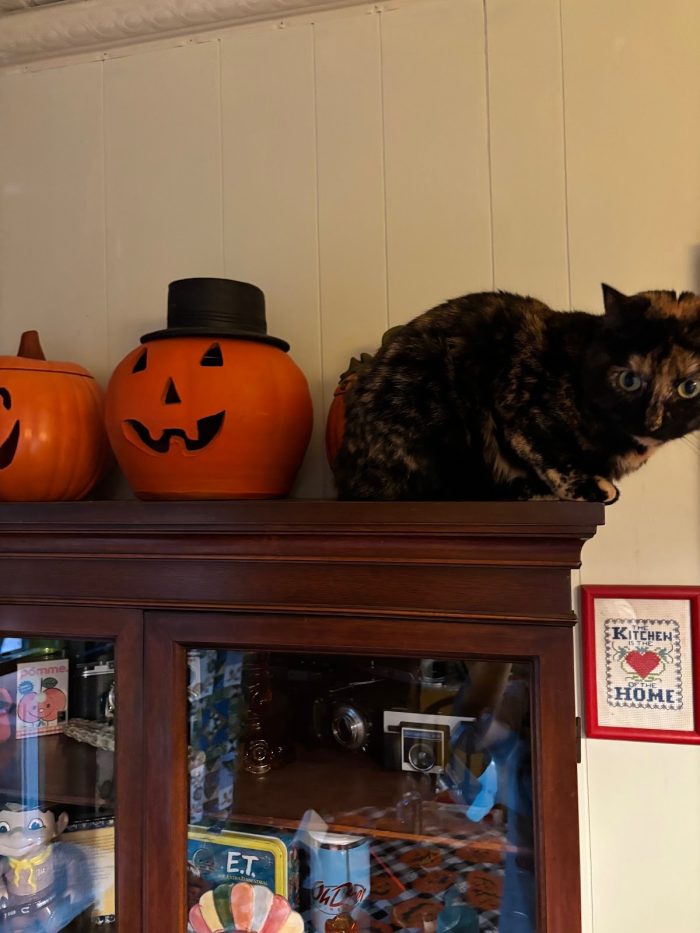
Enjoy this picture of my cat as a break from the horror of spoilers!
There’s a set of puzzles in Ebisugaoka Middle School that involves decoding locker combinations. There’s a fairly convoluted string of converting letters to numbers, one that feels needlessly convoluted and very focused on Arabic letters rather than Japanese hiragana or kanji, but it’s 1960’s Japan, it’s a different time, so I’ll suspend my disbelief. The core of it is that you replace the numbers with letters that kind of look like them. One early example is a student whose locker combination is his name: Aoi. So the combination is 401, 4 = A, 0 = O, I = 1. Pretty straight forward, you find notes from various students that hint at what their combination is, you translate it to numbers, input it into their lockers, get the items. Only one locker contains the item you need, but you’re exploring the school anyway, so you naturally find other hints as you progress.
The above example actually leads you straight into a hint for another locker. You get a note that states that Aoi has figured out Suga’s locker combination, but it sounds like “a cry for help”. That’s the only hint you get, and Suga’s locker is optional, only containing an inventory upgrade for Hinako, so you could just skip it. On mine and my wife’s first run, we stood for a while, pondering the solution. Then my wife just whispers “SOS”. 505, the locker pops open. The subtle heartdrop as you contemplate what this middle schooler is trying to say by making her locker combination a literal cry for help. You don’t get an answer, you take your inventory upgrade and move on.
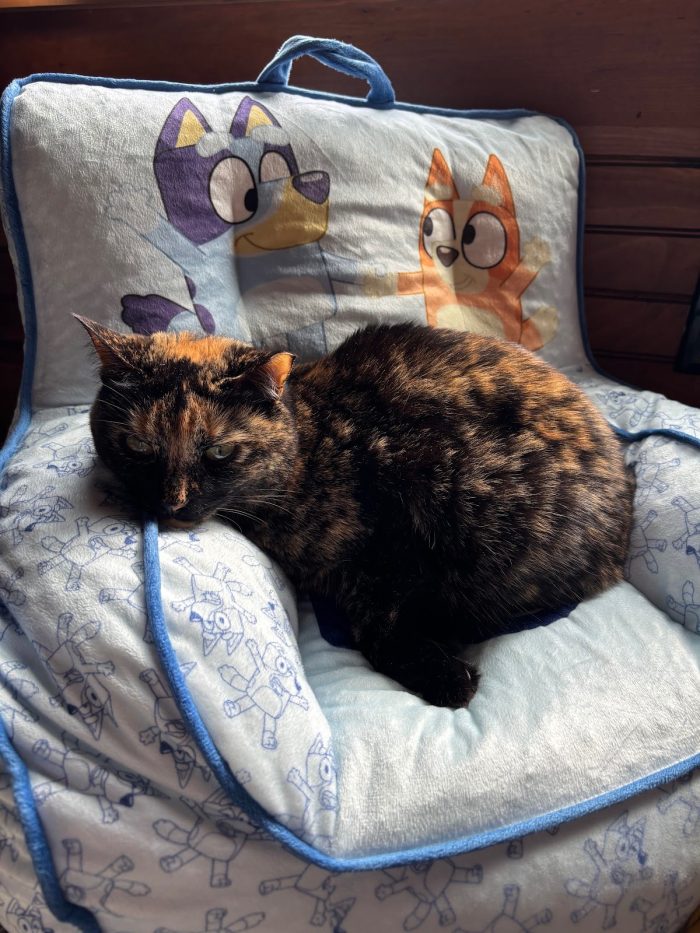
The spoiler free zone has ended! You may continue reading.
Okay, spoilers are over! You can come back now! Whether you read the above example or skipped it, the point is that puzzles can sometimes make you come to a realization that puts a fear into your heart that’s different than the threat of being killed or losing progress. A feeling unique to video games, which I think is super important as well. While the puzzle isn’t required, and there are many unique video game mechanics you can use to elicit fear in your player, the puzzle is one that any aspiring or experienced game dev shouldn’t forget. And hey, if you want me to volunteer to review your horror game, put a screenshot of a puzzle on the Steam page. I’ll probably show up for that.
This piece is a part of SideQuesting’s Spooky Theme Week! Join us and see what scares us!


No Comments