
A flawless execution of source material and modern themes, Ever After is a triumphant RPG experience
It’s rare that a game will pay homage to a previous existing product and come close to matching it. The “Paper Mario”-likes have appeared en masse over the last decade — Nintendo’s 2020 release Origami King was good, but neither it and nor many other modern spins on the formula even came close to The Thousand Year Door. It’s been such a drought of the subgenre that Nintendo chose to remaster that classic Gamecube game a couple of years ago just in case we forgot what the magic of the series was actually like. HypeTrain Digital, Sleepy Castle Studio and Wing-It! Creative’s Escape from Ever After not only tries to match some of the better genre games, but it successfully and perfectly supplants them, pushing itself to understand the core existence of the games and how to accelerate them into 2026.
Yes, I can prfoundly say:
Escape from Ever After is without a doubt the best Paper Mario style RPG next to Thousand Year Door, and even that comes withing milimeters of surpassing it.
For the first time in years it feels like the basic premise of a Paper-like game falls in with why it needs paper at all. Escape from Ever After stars a hero ripped from a fairy tale book who must understand why he’s been suddenly jettisoned into the “Real World” alongside other (slightly more) famous fairy tale characters and stories. The three little pigs are there. The Big Bad Wolf. There are famous-ish monsters, there’s the Cow and the Moon it jumped over. It’s easy enough to see a character and say “oh yeah, there’s that one” from a childhood nursery rhyme.
Because it’s nursery rhyme and fairy tale based, of course there are books, and of course it would be paper. It’s not just an aesthetic or gameplay gimmick, it’s the whole narrative reason of why the game looks and acts like it does. I fondly recall reading pop-up books of these rhymes in my elementary school’s library, and this game carries that torch. The game’s worlds are stunning, deep interprative recreations of the worlds of these characters. As our hero and his team jump into each storybook they come across bright and vibrant lands filled with NPCs and enemies, secrets and treasure, and a surprising multi-layered traversal. We’re not even meant to be in the worlds for long, either (usually it’s a small task to send us in that spirals out of control) but even that small taste is fully featured. It’s a joy to see how the places and people have been recreated.
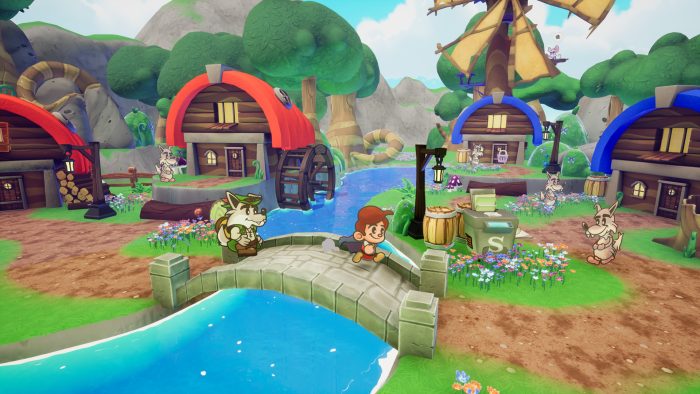
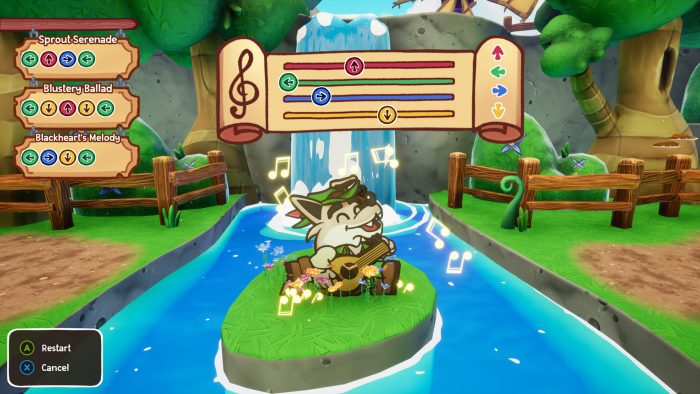
And then, suprisingly and wonderfully, we get that terrific layer of modernism thrown in. These aren’t just nursery rhymes with static plots. These are living, breathing worlds of which we’ve only ever seen through a tiny pinhole. The pigs still have straw homes, but now they’re a gated community. The Wolf is more or less a freedom fighter who, while he’s hungry, just wants his fellow wolves to have homes of their own that the pigs are preventing. The pigs, by the way? They’re all cops. There’s no subtley here, and it’s glorious. It’s hardly subversive. The developers spent time writing and creating backstories and sub plots and whole reasons for why these characters did things in the first place, as if these tales were being written for the first time today with all the baggage that comes with them.
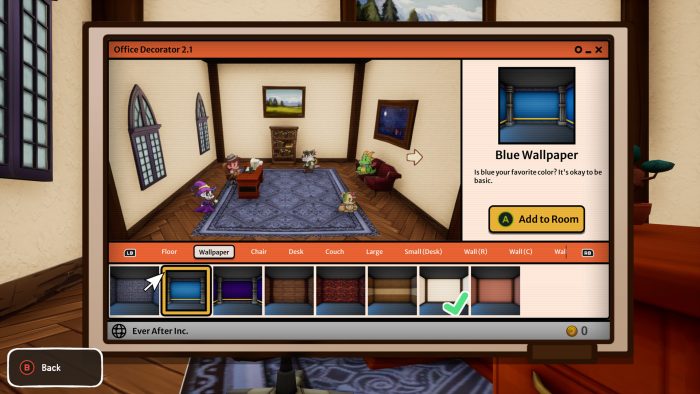
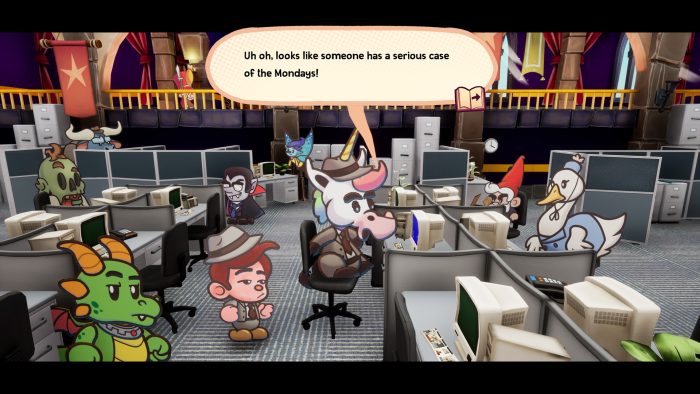
But that’s just the fairy tales! It actually all kicks off with the opening of the game in which our hero, scouting for his dragon arch nemesis Tinder at his evil castle, finds that the domain has somehow been transformed into a corporation. An office. A horrid, terrible office with cubicles, Human Resources, IT, a lunch room and general malaise for being in a 9-to-5. We’re trapped here and our only way out is to do office work — that could be something as simple as helping set up a birthday party or as complex as heading into said world of the Three Pigs for a recovery mission. We then build our way up through the company, earning promotions and aiming to satisfy our terrible boss, that Moon that the Cow jumped over. It’s a stark contrast to what we know as children. Happy fairy tales become mundane and life-draining office life when we’re adults.
And that… well, that’s fucking fantastic.
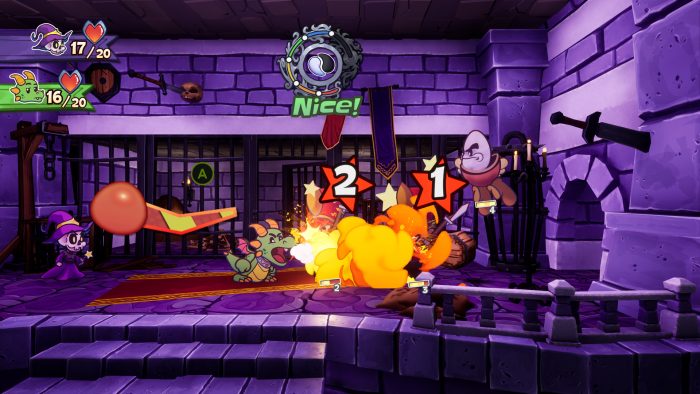
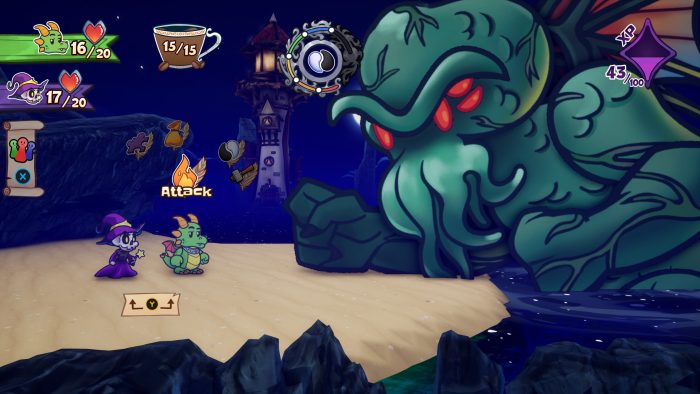
Ever After is not trying to reinvent the wheel from the genre’s gameplay perspective. It’s turn-based with action elements. Each character has their own set of commands and ways to battle, from faster hits to magic and defense and healing. It’s standard, but the developers have purposefully hamstrung the characters’ native capabilites from a narrative standpoint. What’s a dragon without a powerful fire blast? Well, one that can only shoot a small puff of smoke or a matchbook-sized flame. How we utilize and combine these abilities (there’s a whole companionship level aspect that makes pairing up members of our team a benefit) can lead to battles that are fun and fast. Nothing lasts too long or tunrs into a grind. We just need to balance if we want to hit an enemy in the air or on the ground, if they’re blocking or open for an attack, etc etc etc. The game does have a bit of a timing window issue in that landing a hit is almost too open, too long, and I prefer something tighter. Something as small as a UI indicator would do wonders for the timing.
Escape from Ever After is a fantastic experience. It’s the Paper-like RPG that takes the assignment and passes with a Christmas Story-like A+++++++. It’s deeper than many modern RPGs because it’s relatable to many an adult offen goes there, and is a must play for, well, everyone.
This review is based on Switch 2 and Steam codes sent to SideQuesting by the publisher. Images and video courtesy publisher. This video first appeared on The SideQuest for February 13, 2026.


No Comments